Category: Ubuntu Principles

Eric-Sirotkin-ubuntuworks-human-resources-workplace-journey

Presentation: Understanding the “Human” Dynamic in Human Resources

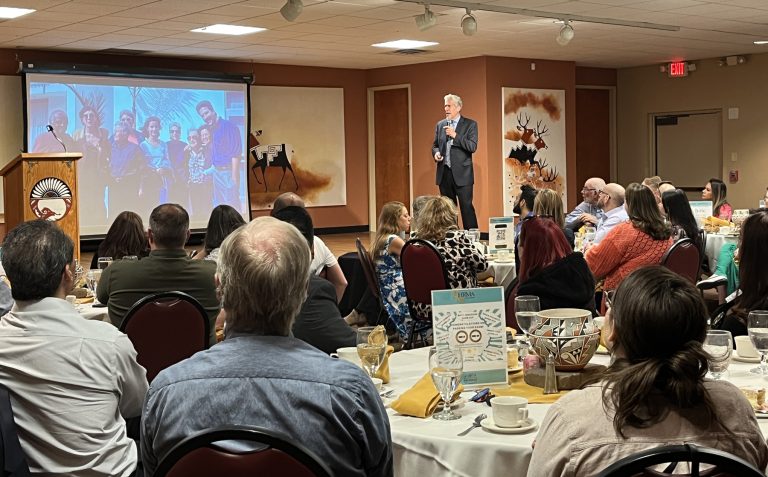
Presented by Eric Sirotkin   Lawyer, Educator, Mediator Eric gave this talk at the Human Resource Management Association of New Mexico (HRMA) membership meeting, April 18, 2023 at the Indian Pueblo Cultural Center, Albuquerque, NM. Bio Eric Sirotkin is an internationally renowned human rights trial lawyer, mediator, and educator who advocates navigating conflict in ways that enhance health and well-being. He lectures nationally and internationally on ubuntu, legal wellness issues, and practices law and life in New Mexico. Summary What skills can we bring to the workforce to enhance the work life experience, increase productivity, and reduce conflict? Working together through conflict takes time and compassion. Why do people shut down, work in fear, or fail to bring their best to the table? You will spend approximately 90,000 hours at work during your lifetime. It is important to understand your rights and responsibilities in the workplace and learn techniques that help you thrive. A disempowered, resentful or angry workforce is not only disheartening but dangerous. Having an empowered and fulfilling work experience requires one to know how to navigate work life with knowledge, skill, and confidence. Listen to the full audio here: Learning Objectives: 1. Develop techniques to address challenges such as a demanding boss, a hostile work environment, a poor review, or unfair treatment. 2. Learn techniques to increase communication in the workplace and understand the power of diverse opinions and freedom of speech.  3. Learn about the principle known as ‘Ubuntu’ and how it can be applied to the workplace. ‘Ubuntu’ represents that we are all connected. It also shows that a person can only grow and progress through the growth and progression of others.

Read More »
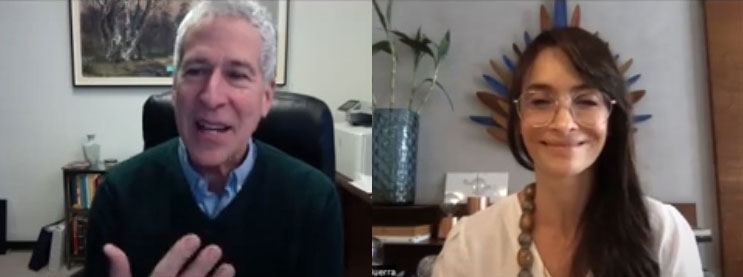
eric sirotkin and fernanda guerra of ubuntuworks talk on video

Eric Sirotkin and Fernanda Guerra discuss the philosophy of ubuntu

Como podemos aplicar a filosofia Ubuntu no Direito? Eric Sirotkin (US) and Fernanda Guerra (Brazil) discuss how lawyers can change their practice to include active listening and change in their practice based on the philosophy of ubuntu. March 15, 2023. “Don’t become the system you oppose.” –Archbishop Desmond Tutu Como podemos aplicar a filosofia Ubuntu no Direito? O advogado estadunidense Eric Sirotkin fala sobre isso no primeiro SER Talks de 2023. Em entrevista à advogada Fernanda Guerra, idealizadora da SER – Sustentando Elos Reais, o idealizador do Projeto Ubuntuworks explica como é possível fundir os princípios baseados no Ubuntu em escolas, locais de trabalho, corporações e tribunais, redefinindo nossas noções de sucesso. A comunidade mundial Ubuntuworks compartilha pesquisas e estratégias para fazer a diferença e inaugurar uma era de ubuntu local e globalmente, fortalecendo os esforços de todos que trabalham para construir um mundo mais relacional.

Read More »

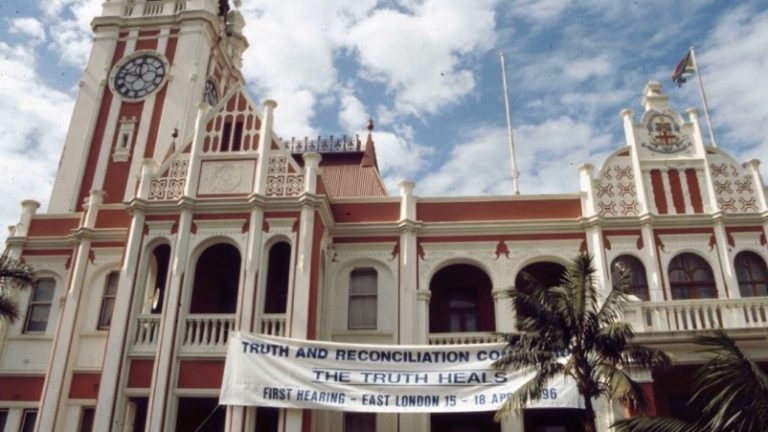
Co-creating Peace Episode #108 – “Truth & Reconciliation”

Conflict comes in many shapes and sizes. Peacemakers must constantly look for creative approaches to resolving and transforming conflict. These approaches and their methods must be adapted to the context and nature of the conflict as well as to the people involved and, often, the culture of those people. Is it possible to resolve or transform conflict, and find healing and restoration when the conflict involves large groups of people, such as communities, tribes, armies, or even nations, and where travesties have been committed against people, many of them innocent civilians and children?  Please enjoy “Truth & Reconciliation,” Episode #108 of Co-creating Peace, a series about conscious communication and conflict transformation.  There are many good people out there in the world, using wise and powerful methods to do just that. One of those methods is called the Truth and Reconciliation Process. Eric Sirotkin, an attorney and mediator in Santa Fe, NM, and my guest for Episode #99 of this podcast, joins me again to give us some insights into the Truth and Reconciliation Commissions, the powerful work they have done, and how much more there is yet to do. Conversation highlights: •  The work of Truth and Reconciliation Commissions around the world and within the United States  •  The role of forgiveness, accountability and making right (Amnesty Process, Human Rights Commission, and Reparations) •  Eric’s experiences in South Africa and later in Korea with the TRC processes  •  The importance of understanding that Truth & Reconciliation is a long-term process that must continue over time, even when government leaders change. •  Forgiveness doesn’t mean we have to, or even should, forget. Eric Sirotkin’s work around the world, including with Archbishop Tutu, Truth and Reconciliation Commissions, and restorative justice processes has led him on a mission to reframe the law by retraining lawyers on Creative Tools to expand their skillset and humanize their profession. He teaches techniques to survive and thrive in the us vs them world of law, helping lawyers gain an understanding of the nature of human relationships.  To learn more about Truth and Reconciliation Commissions, visit these websites: •  Truth and Reconciliation Commission of Canada•  Truth and Reconciliation Commission, South Africa•  Truth and Reconciliation Commission, Republic of Korea•  EricSirotkin.com Please support Co-creating Peace by becoming a patron at www.patreon.com/CocreatingPeace. Thank you! Contact Kathleen Oweegon at: oweegon@bridgesofpeace.com to share your ideas and feedback for this show. You can receive a free 30-minute communication coaching session by being a guest on Co-creating Peace to talk about your communication challenges and receive Kathleen’s suggestions on the air. Visit BridgesofPeace.com to learn more about Kathleen and her work.

Read More »

What is Ubuntu? Meeting with Archbishop Desmond Tutu

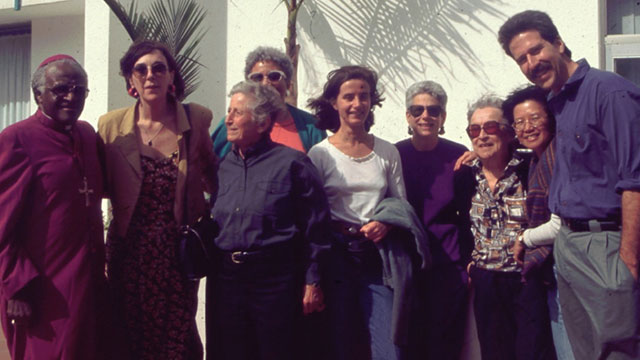
Archbishop Tutu taught me about ubuntu. With his passing, I am committing my core work to assist our move from the Age of Separation to the new Era of Ubuntu – a change that can minimize our divineness and make peace a reality. But what is this ubuntu – this “golden thread?” Clue: It’s not an operating system. The South African Interim Constitution and the statute that formed the Truth and Reconciliation Commission (TRC) said, “There is a need for understanding, but not for vengeance, a need for reparation, but not for retaliation, a need for ubuntu, but not for victimization.” Days before I participated in the first TRC hearings in 1996, I’d read in the Cape Times Tutu’s remark, “We are ready to forgive and build a new kind of country. This was only made possible by God’s special gift to South Africa, the gift of ubuntu.” I had never heard the term “ubuntu” until preparing for the hearings and was curious about a term characterized as God’s gift and included in their proposed progressive constitution. I needed to learn more. I’d scheduled a meeting with the Archbishop after breakfast in East London in order to record a greeting to lawyers and law students who wished to join our project as international monitors. We met in the back of the hotel restaurant with the crowd of diners buzzing in the background. His large gold cross clanged against the edge of the table. I’m nervous. Here is a man at the center of attention of the TRC and the world week taking time for me in his crowded schedule during this historic week. When we sat down I fired up the recorder and got down to business. “Archbishop, thanks for meeting with me. I wanted to record a greeting to monitors who may be thinking of coming to South Africa to observe this process—” At that point, he interrupts me by reaching across the table and placing his hand over mine. “Yes of course,” he says, smiling with his playful grin. “But first . . . Let’s say hi.” I’m blown back. In the haste to get him on to his busy day I’d not taken the time to connect, to meet as humans, or to even say hello properly. I was all business. What a gift he’s sharing in that simple moment, demonstrating that a genuine connection in any encounter, be it business or pleasure, is more rich when we take the time to honor and acknowledge each other: The power of saying “I see you” is immeasurable. I blush and say, “Hi,” and look deep into his eyes. He smiles and suddenly we’re just two grinning humans meeting on more equal ground. He records a beautiful comment for us to use in our outreach that spoke of the process and international solidarity, which included “Watch as this repulsive caterpillar becomes a gorgeous butterfly.” I could not have asked for more. But I have another question. “I have read

Read More »

The Archbishop Wept: Remembering the Hearings

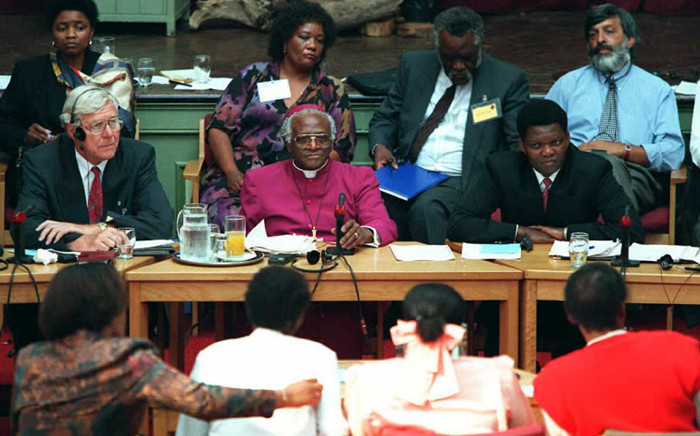
The South African Truth and Reconciliation Commission (TRC) is cited as a model around the world for healing the trauma of a nation or community. Yet, on my recent trip to South Africa a great topic of concern everywhere was the “unfinished” work of the TRC and how the populace was left disillusioned, as money has been siphoned off in sweetheart deals and the reparations side of the Truth Commission failed to deliver. I remember those hearings as if they were yesterday. I was there monitoring an International Project for the TRC and feeling so deeply the draining nature of the stories of gross human rights violations and atrocities. We wept with Archbishop Tutu in the first hearings in 1996 as he put his head down on the table and tears flowed like the blood from the attack that triggered his reaction. He wept for the whole nation and for all of us who feel a great disconnect from a world still fueled by war and violence. One night last month outside Cape Town my dear friends Ilze and Stef and I read poems to each other at a bar by the sea. Remarkably Ilze read: The Archbishop Chairs the First Session by South African poet, Ingrid de Kok  The Truth and Reconciliation Commission. April, 1996. East London, South Africa On the first day after a few hours of testimony the Archbishop wept. He put his grey head on the long table of papers and protocols and he wept. The national and international cameramen filmed his weeping, his misted glasses, his sobbing shoulders, the call for a recess. It doesn’t matter what you thought of the Archbishop before or after, of the settlement, the commission, or what the anthropologists flying in from less studied crimes and sorrows said about the discourse, or how many doctorates, books, and installations followed, or even if you think this poem simplifies, lionizes romanticizes, mystifies. There was a long table, starched purple vestment and after a few hours of testimony, the Archbishop, chair of the commission, laid down his head, and wept. That’s how it began. Archbishop Tutu had told me on a break that day that he should not have lost his composure as the chair of the Commission, but it was a courageous and necessary human reaction to such torture. How we long for leaders who can not only point out problems, or offer packaged solutions, but can put down their heads, in the face of war, violence, or hunger, and weep. – – – – – Photos, Top: Archbishop Desmond Tutu (center) with fellow commissioners listen to testimony from witnesses during the start of the Truth and Reconciliation Commission which opened in East London, 15 April 1996, Picture-AFP. Bottom:  Archbishop Tutu, TRC 1997 Sunday Times by Raymond-Preston

Read More »

Be inspired.

Stay up-to-date on new ubuntu connections around the world.
Inspiring stories that make us part of real systemic change.

Listen Deeply. Respect Others. Find Common Ground.